EN
Translate:
EN
Signed in as:
filler@godaddy.com
EN
Translate:
EN
Signed in as:
filler@godaddy.com

On-demand learning offers flexible, self-paced education that learners can return to as needed, in their own time.

A Death Café is a facilitated gathering where people come together to talk openly about death, dying, and life—without agenda, therapy, or judgment, and usually with cake and a warm beverage.

A YouTube channel providing compassionate, educational conversations about grief, loss, death, and life transitions—grounded in education, chaplaincy, and trauma-informed care. This channel offers education and support and is not a replacement for therapy.

Let's plant the seeds to empower
YOU, YOUR FAMILY, and YOUR TEAM.

Let's Talk About Things That Matter
BEFORE They Matter!

I presented on the unique forms of grief experienced by caregivers in the educational series Caregiving While Black.

My sister died on 01.05.2021 at age 52. These are the types of grief that I experienced thus far.

You may have an idea about how you want to live out your final days, but do you know the process for making your wishes known? In Advanced Directives, Part I, the concepts of advanced directives and naming a health care agent are introduced. The pros and cons of advanced directives will be discussed as well as what powers advanced directives can and cannot offer the individual.

Many people almost immediately associate the word "grief" with the death of a person or pet. Truth is, there are many other types of grief.
This seminar introduces the learner to the difference between grief and to grieve as well as the different types of grief that we all experience.
I'M THRILLED YOU INQUIRED!
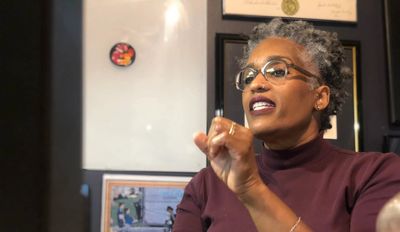
Learn about Death Café directly from Zandra, a participant with firsthand experience, or read about it below.
The objective of a Death Café is to increase awareness of death with a view to helping people make the most of their (finite) lives.
A Death Café is a participatory, group-led conversation about death, devoid of any specific agenda, objectives, or themes. It serves as a discussion forum rather than a grief support or counseling session.
If you're intrigued by the idea of having me facilitate a Death Café for your group, fantastic! I assure you, it will be a fascinating experience—far from morbid. Feel free to reach out to me for further details.
For information on the Death Café movement or how to hold a Death Café in your own community, go to DeathCafe.com.
Completing advance directives or funeral plans can feel daunting, especially without guidance. I walk alongside you through each step of the process—helping you clarify your wishes, complete the necessary documents, and ensure they are shared with those who need them.
______________________________
Empower your congregation, retirement group, employees, or family members with meaningful education about life transitions. Death and dying affect everyone, yet understanding your options in advance can significantly reduce fear and uncertainty. Proactive planning helps transform an inevitable experience into one approached with greater clarity and less stress.
Explore my Life Transitions Education offerings to learn more.
______________________________
I help palliative and hospice interdisciplinary teams strengthen collaboration, reduce burnout, and deliver more consistent, compassionate end-of-life care.
Burnout among palliative and hospice professionals is real—and it isn’t caused by exposure to death alone. It often stems from navigating the complex emotional needs of patients’ loved ones while managing the significant administrative and systemic demands of the role.
Despite the critical nature of this work, many medical, nursing, and social work programs provide limited preparation for the realities of palliative and hospice care. As a result, much of the skill development in this field occurs informally, on the job. Research consistently underscores the need for both formal training and structured opportunities for reflection and learning to support professionals in providing high-quality end-of-life care.
Investing in interdisciplinary education, emotional literacy, and team awareness can be the difference between a stressful end-of-life experience and one marked by clarity, dignity, and support—for patients, families, and care teams alike.
Let’s connect to explore how I can support your organization in strengthening IDT effectiveness, reducing burnout, and enhancing the quality of end-of-life care.
This brief introduction to Sessions 2–6 highlights why these upcoming life-transition education sessions are worth your time. Each one-hour session offers meaningful insight into essential aspects of future planning. The session is designed to be completed in one hour.
The CDC (December, 2024) reports that most people in the U.S. die after a period of illness rather than all at once. Conditions like heart disease, cancer, and lung disease are the most common causes, while sudden deaths from accidents or other unexpected events are less common but still occur. Are you familiar with the options available for end-of-life care? This informative session is designed as a one-hour exploration of those choices. The session is designed to be completed in one hour.
Many people have strong preferences about their end-of-life care, but it is important to understand how to formally communicate and document those wishes. In the first session, Advance Directives, Part I, participants are introduced to the basics of advance directives and the role of a healthcare agent. This session explains the benefits and limitations of advance directives and clarifies what authority they do—and do not—provide. The session is designed to be completed in one hour.
There’s a saying: “If it’s not written down, it didn’t happen.” In this session, we’ll discuss Advance Directives for Health Care Decisions and Physician Orders for Life-Sustaining Treatment (POLST) forms, including how they differ and when each is used. Participants will also receive a free copy of their state’s Advance Directive and POLST forms to review and use as needed. This session is designed to last one hour.
Without a clear and well-designed estate plan, the assets you worked hard to build and the belongings that matter most to you may not be protected or passed on as you intended. When plans are not in place, assets can be exposed to risks such as mismanagement, addiction, bankruptcy, divorce, or lack of readiness on the part of those who receive them.
This session offers peace of mind by explaining how a thoughtful estate plan allows you to clearly state who receives your assets and how they are managed. Join us for this one-hour session to learn how to protect what you’ve built and secure your legacy.
This presentation will be led by a state-licensed estate planning attorney.
While many of us carefully plan for major life events, we often avoid preparing our loved ones for what will eventually happen after our death. When no guidance is left behind, those closest to us can feel overwhelmed and unsure—especially when important decisions must be made quickly during a time of grief.|
In this session, participants will be introduced to a comprehensive document called Final Wishes. This resource helps you clearly record your preferences—from information needed for an obituary to details about memorial services and gatherings afterward. Each participant will receive a complimentary copy of Final Wishes to complete and keep for personal use.
Join us for this two-hour session to help ensure your wishes are known, documented, and respected—offering clarity and peace of mind for those you love.
Grief is a natural response to loss and is often associated with the death of a loved one or a pet. However, there are many other forms of grief—such as anticipatory, compounded, and displaced grief—that are less recognized but equally impactful. In this two-hour session, participants will learn how grief shows up in different ways, how it affects individuals over time, and the important role it plays in healing. Join us for a thoughtful exploration of the many dimensions of grief. This session is approximately two hours.
Trauma is not defined only by what happens to us, but by how our bodies and minds respond when an experience overwhelms our ability to cope. These responses can have lasting effects on emotional and mental well-being. This presentation explains the difference between trauma and grief, outlines the three primary types of trauma, and explores why healing is essential. Participants will also learn how unresolved trauma can affect not only individuals, but future generations.
Join us for this in-depth two-hour session to better understand trauma and its far-reaching impact.
This website uses cookies. By continuing to use this site, you accept our use of cookies.